
Welcome to the Habits Hub! Let’s Make Habits Work for You

Habits shape every part of your life: your health, your mindset, your relationships, your productivity, and your overall wellbeing. Whether the goal is to build better routines, reduce unhelpful behaviours, or support your children in developing strong foundations, the key lies in understanding how habits actually work and deliver the much sort after results.

This space is designed to help you master the science of habit formation, recognise what gets in the way, and discover the small, sustainable steps that lead to meaningful long-term change.

A bit of neuroscience: What lies behind your habits?

Every habit runs on a simple loop:

Cue → Routine → Reward

Let’s break this down. The ‘cue’ triggers the behaviour, then the routine is the action itself and then the reward releases dopamine. This begins teaching your brain:

‘This is important. Do it again.’

Your brain repeats what feels familiar and rewarding which is why unhelpful habits form quickly, and helpful ones often take longer. (Not fair at all!) But with the right strategies, you can create new habits that feel natural, energising, and most importantly, sustainable.

Habits anchor your day, support your goals, and shape the life you want to build.

Habits anchor your day, support your goals, and shape the life you want to build.

Children and teens benefit enormously from structured habits but the strategies differ depending on age.

Ages 6–10: The Foundation Years

This is when young children thrive on predictability.

Healthy routines help them feel:

  • Safe
  • Grounded
  • Capable
  • Confident

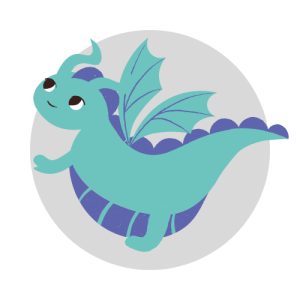
Image of Delilah The Dragon

Parents often face challenges like inconsistent schedules, emotional resistance, and reliance on reminders. But small, repeated actions paired with visual cues make habits stick.

Ages 11–15: Independence & Identity

Preteen and teens need autonomy, not control.

Their brains respond best to:

  • Choice
  • Collaboration
  • Clear incentives
  • Structure that respects independence

Distractions, emotional changes, and peer influence can interrupt routines but with supportive guidance, teens can build strong self-management skills.

My work with clients is all about building a metaphoric toolbox to support the current issues and to be used in an ongoing way to support your habit journey.

Your brain is on your side, let’s teach it the habits that help you thrive.

If you would like to receive additional hints and tips from me, please click on the download button and enter your email address.

You will then be able to download your free copy of ‘Habit Flow Chart’ and ‘A Self-Reflection Checklist’.

Habit Flow Chart

FREE DOWNLOAD

Send download link to:

Self-Reflection Checklist

FREE DOWNLOAD

Send download link to:

Blogs About Habits…

Habits: A Case Study

Change

Loneliness

Free resources. No pressure. Unsubscribe anytime.

:

Subscribe

* indicates required

Intuit Mailchimp