
Am I A Hoarder?
Understanding hoarding behaviour and when to seek support
Many people look around their home at some point and wonder, “Do I have too much stuff?” or even “Am I a hoarder?”
The word “hoarding” can feel uncomfortable or even alarming, but the reality is that hoarding behaviour exists on a spectrum. Many people develop mild hoarding tendencies without realising it, and these patterns often develop slowly over time.
Understanding the signs of hoarding and the psychology behind it can help you recognise whether your relationship with possessions may need attention and what steps you can take to move forward.
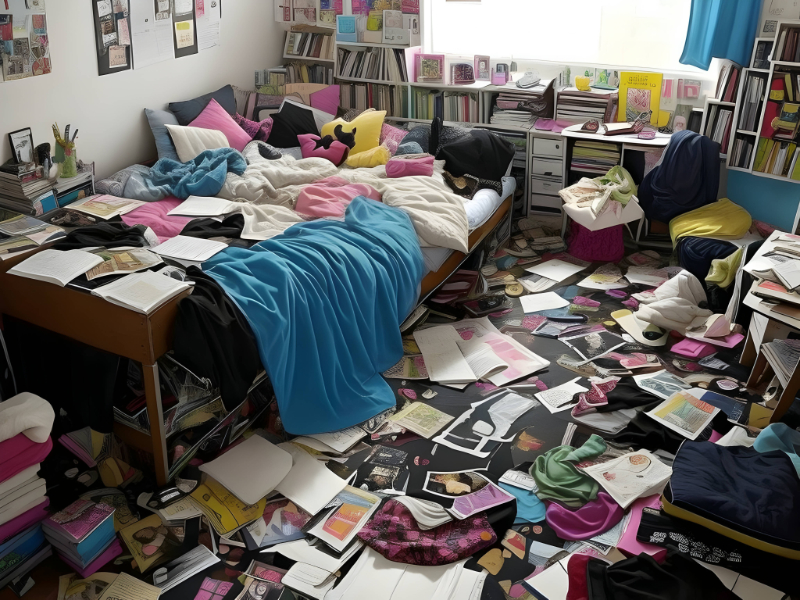
What Is ‘Hoarding’ behaviour?
Hoarding behaviour involves persistent difficulty discarding possessions, regardless of their actual value. This often leads to an accumulation of items, cluttered living spaces, anxiety about letting things go and emotional attachment to belongings.
For some individuals, possessions become linked to feelings of safety, identity, memory, or emotional comfort. Importantly, hoarding is rarely about laziness or poor organisation. It is often connected to deeper emotional patterns.
Early signs you may be developing hoarding tendencies:
Hoarding behaviours usually develop gradually. Early signs may include:
- difficulty throwing away items that others consider unimportant
- keeping things because you might need them someday
- feeling anxious about discarding possessions
- buying duplicates because you cannot easily find items
- avoiding sorting through belongings because it feels overwhelming
- clutter slowly building up over time
Why Do People Hoard?
Hoarding behaviours often have emotional and psychological roots. Some of the most common reasons include emotional comfort when objects can provide a sense of comfort or familiarity, especially in times of stress. Another reason is a fear of scarcity, affecting people who have experienced financial hardship, instability or loss and so keep things ‘just in case’.
Items may have memories and sentimental value and represent important life events, significant relationships or personal identity.
This can lead to increased anxiety about making decisions. Whether to keep or discard can become an impossible conundrum leading to avoiding the decision all together.
Sorting through possessions may trigger memories, grief, or guilt, making it easier to keep items than face those feelings.
The difference between clutter and hoarding. Many homes experience periods of clutter. However, hoarding behaviour usually involves a deeper emotional response.
Clutter = temporary mess or disorganisation, items can be discarded with relative ease, living spaces remain usable.
Hoarding = persistent difficulty letting things go, strong emotional attachment to possessions, clutter interfering with daily living spaces, anxiety about discarding items.
Understanding the difference can help people recognise when additional support might be helpful.
Let’s look at how this behaviour can impact on emotional health. People may experience:
People may experience:
- stress or anxiety
- embarrassment about their home
- conflict with family members
- difficulty relaxing in their living space
- feeling overwhelmed or stuck
These feelings can reinforce the cycle of avoidance and accumulation.
Some gentle starting points include:
- beginning with a very small area such as a drawer
- setting a short 10-minute decluttering timer
- sorting items into simple categories
- taking photos of sentimental items before letting them go
- focusing on progress rather than perfection
Small changes can gradually build confidence and reduce overwhelm. And, because hoarding behaviours are often connected to subconscious beliefs, emotional patterns, and anxiety, professional support can be very helpful.
Therapy and hypnotherapy may help by:
- exploring emotional triggers behind hoarding
- addressing beliefs about safety and scarcity
- reducing anxiety around letting go of possessions
- building confidence in decision-making
- creating healthier coping strategies
Hypnotherapy in particular can help access subconscious patterns and support clients in developing a calmer, more balanced relationship with their belongings.
If you recognise hoarding tendencies in yourself, you are not alone.
These behaviours often develop as ways of coping with difficult experiences or emotions. With understanding, patience, and the right support, it is possible to create a living environment that feels calmer, safer, and easier to manage.
Try our Reflection Worksheet (PDF download) – If you would like to receive additional hints and tips from me, please click on the download button and enter your email address.
You will then be able to download your free copy of ‘Understanding My Relationship With Possessions’.
Understanding My Relationship With Possessions
Send download link to: