
Shame – The Hidden Habit Partner
You smile, hopefully in an outwardly sympathetic way but inside there is turmoil.
You start to avoid that friend who has ‘that’ habit – the one you find upsetting or annoying because it’s too close to your own truth.
You ask yourself – ‘what’s the matter with me?’
You feel that others handle things better, more effectively, so why can’t you?
You experience the deep, gut-wrenching fear of discover and judgement, ridicule.
You conclude that you are weak, lazy, unmotivated, broken.
And so, the cycle continues.

Over time, the real pain often becomes the shame, not the behaviour itself.
What clients find useful is the shift in thinking that offers them some relief because the habit is emotional, not logical. They often know that what they do isn’t due to stupidity, its because they are stressed, lonely, tired or overwhelmed. The habit becomes the soothing strategy, the comfort blanket, the distraction from the problems.
Soothing strategies help to take the edge of the worst of the issues symptoms. It can provide a numbness because feeling nothing is temporarily preferable to feeling all the bad stuff. It can provide a great distraction and even some comfort and escape from ‘real life’ and ultimately allows a sense of being in control and more importantly, safe, just for a little while.
All of these strategies provide temporary relief.
Clients often begin to explore the idea of having someone help them when these strategies falter and they begin to feel increasingly unsafe, despite their best efforts. This often happens after conflict, when they feel rejected, when they feel not good enough, when they feel criticised and when they are exhausted, and running on empty.
Then the habit becomes a response to emotional threat.
In these circumstances, they can be at the mercy of the harsh inner critic, the voice inside your head that delights in reminding just how rubbish you are.
You’re pathetic
You’ll never change
Oh look, you’ve failed again
You’re disgusting
You should be ashamed of yourself.


This voice usually feels very real and very powerful.
But, shame very rarely begins the habit, it usually starts much earlier.
As children, we experience many things like criticism, emotional neglect, unpredictable parenting, being compared with siblings, being shamed for emotions and being told things like ‘be strong’, don’t cry’ and ‘don’t be silly’. This way, the child learns that ‘parts of me are unacceptable.’ And this becomes internalised.
Later in life, habits begin to form a level of self-protection for when emotions feel too big to handle. When challenged with anxiety, loneliness, fear, sadness or anger, the nervous system looks for relief, a habit appears and works, at first.
When I do this, I feel better for a moment.
So, the brain learns: This = safety.
Society will then often go on to reinforce this shame by explaining that we just need more willpower or discipline, that we can fix ourselves by just trying harder because successful people don’t do this. The internalised message this time is that if I can’t stop this behaviour, this habit then there’s obviously something wrong with me.
Over time this creates a loop of shame being recognised and reinforced. This causes an experience of emotional discomfort, followed by instigating the habit for temporary relief and comfort which leads to guilt and self-attack, shame and a sense of hopelessness, more emotional pain and back to the habit.
The habit becomes trapped within the shame.
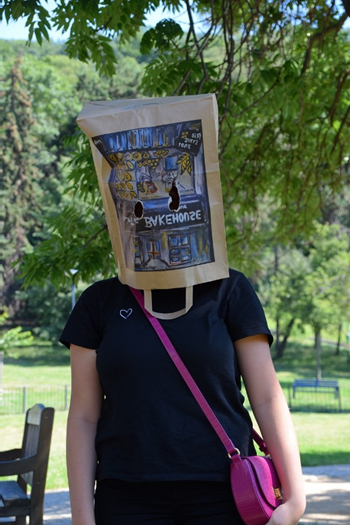
Hypnotherapy works by accessing the subconscious patterns where habits and shame live. The process can get in touch with those early childhood memories and imprints which helped form the core beliefs. And, locate and gently challenge those old coping strategies. So instead of berating ourselves ‘I must stop this habit’ we have more of a ‘why did my mind need this?’
Here the release of old emotional charges can take place; processing, releasing and reframing so an upgrade can be installed. Something that basically will do a better job.
Healing will look different to different people but there is a base line – noticing less of the brutal self-criticism when a mistake has been made, more awareness before acting and an increase in self-kindness.
You’re not broken. You were coping.